Die theoretische Neurobiologie (TNB)-Gruppe fördert seit Jahrzehnten interdisziplinische Forschung und Zusammenarbeit. Ihre Mission ist es, das Verständnis und die Anwendung von aktiver Inferenz – dem theoretischen Rahmen, der von Prof. Karl Friston entwickelt wurde – durch regelmäßige Online-Meetings mit Präsentationen und Diskussionen zu fördern, die empirische Daten und Analysen, Simulationen und mathematische Entwicklungen umfassen können. Die Gruppe begrüßt Beiträge aus den Bereichen Neurowissenschaften, Mathematik, maschinelles Lernen, Psychologie, Philosophie, Medizin und Biologie.
Zielsetzung
Die TNB Group fördert seit Jahrzehnten interdisziplinische Forschung und Zusammenarbeit. Ihr Ziel ist es, das Verständnis und die Anwendung von aktiver Inferenz, dem theoretischen Rahmen, der von Prof. Karl Friston entwickelt wurde, voranzutreiben. Dies wird durch regelmäßige Online-Meetings mit Präsentationen und Diskussionen erreicht, die empirische Daten und deren Analyse, Simulationen und mathematische Entwicklungen beinhalten können. Die Gruppe begrüßt Beiträge und Perspektiven aus verschiedenen Bereichen, darunter Neurowissenschaften, Mathematik, maschinelles Lernen, Psychologie, Philosophie, Medizin und Biologie.
Aufzeichnungen
Aufzeichnungen früherer Sitzungen, die nach Forschungsbereichen organisiert sind, finden sich auf dem TNB YouTube-Kanal. Die Gruppe fügt allmählich weitere Videos aus ihrem Archiv sowie von kürzlich aufgezeichneten Sitzungen hinzu.
Tagungsdetails
Die Treffen finden jeden Montag und Dienstag um 14:30 Uhr britischer Zeit statt und dauern etwa zwei Stunden: etwa 40 Minuten Präsentation, 40 Minuten Frage-und-Antwort-Runde und 40 Minuten Diskussion und Feedback mit Prof. Friston.
Wie man teilnimmt
Treffen sind für Forscher, Studenten und Fachkräfte weltweit offen. Ohne Mitgliedsbeiträge bietet die Gruppe eine entspannte, ungezwungene Umgebung für die Teilnahme – sei es durch aktive Beteiligung oder als Beobachter – und Sie sind willkommen, jede interessante Sitzung zu besuchen.
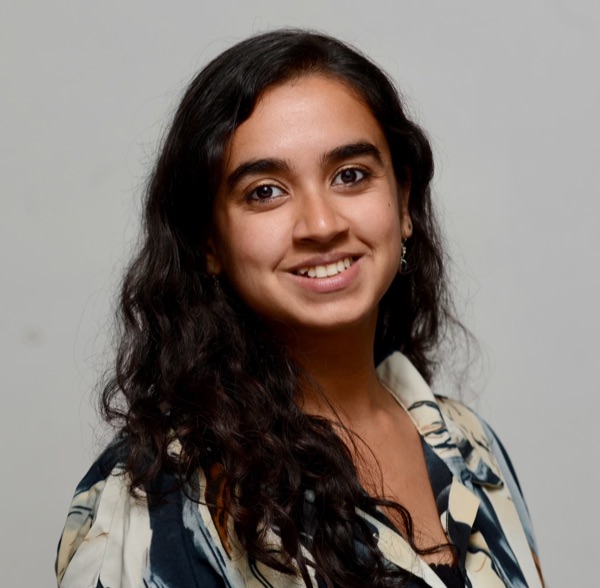
Sitzungsvorsitzende – Riddhi J. Pitliya, Dr. rer. nat.
Riddhis Forschung konzentriert sich auf aktive Inferenz, menschliche Kognition und Mehr-Agenten-Systeme. Sie hat promoviert an der Universität Oxford, wo sie untersuchte, wie Individuen kausale Strukturen und Agency in Mehr-Agenten-Umgebungen inferieren, insbesondere über das Depressionsspektrum – festgestellt, dass depressive Symptome mit einer verringerten Sensibilität gegenüber inhibitorischen kausalen Beziehungen, einer verringerten Wahrnehmung von Agency und einer Tendenz zu häufigen, aber weniger zielgerichteten Handlungen bei der Erfassung kausaler Strukturen einhergehen.
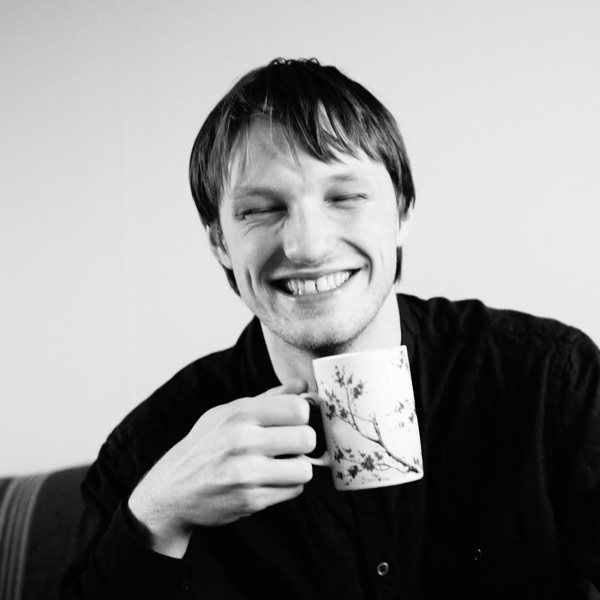
Stuhl – Peter Thestrup Waade
Peters Forschung konzentriert sich auf das rechnerische kognitive Modellieren von mehrstufigen sozialen Interaktionen, insbesondere aus der Perspektive von aktiver Inferenz und prädictiver Verarbeitung. Er hat bei Chris Mathys am Interacting Minds Centre an der Aarhus University seinen PhD gemacht und beginnt eine Postdoc-Stelle an der Translational Neuromodeling Unit an der ETH Zürich mit Klaas Stephan.

Sessel – Robert Chis-Ciure, Dr. rer. nat.
Robert ist ein ERC-Postdoc-Forschungsfellow von Anil Seths Labor an der University of Sussex und dem Sussex Centre for Consciousness Science. Seine Forschung konzentriert sich auf formalisierte Vorstellungen von Emergenz und computationale Neurophänomenologie, wobei er hybride prädiktive Kodierungs- und Active-Inference-Formalismen einsetzt, um die fenomenologischen Eigenschaften von Erfahrungen zu modellieren und experimentell zu validieren – und so einen neuen methodischen Ansatz, Phenomenomics, aufzubauen, um die inneren Welten von Menschen und schließlich allen anderen Beobachtern zu charakterisieren, einschließlich der Nutzung von KI/ML auf großen Datensätzen.
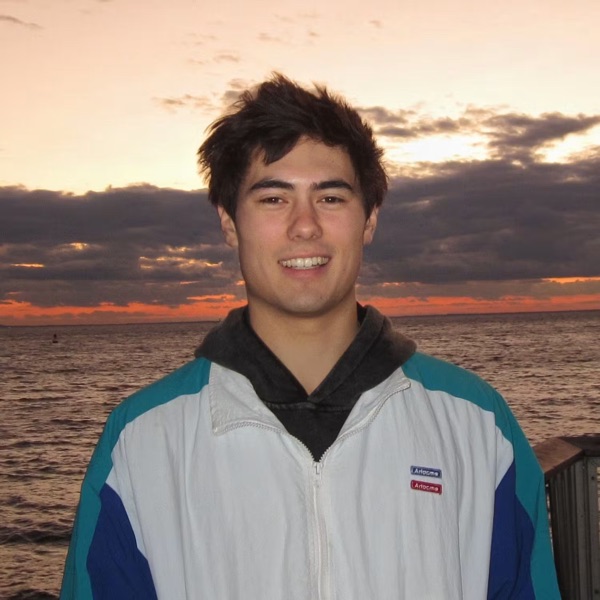
Stuhl – Will Yun-Farmbrough
Will ist ein promovierter Student an der Sussex Centre for Consciousness Science, betreut von Anil Seth und Chris Buckley. Seine Forschung untersucht, wie perceptuelle Phänomenologie bei menschlichen Versuchspersonen die und informierte prädiktive Kodierungsmodelle der kortikalen Verarbeitung einschränken kann – die algorithmischen Grundlagen dafür, wie unsere Welt für uns erscheint.

Stuhl – Jonathan Ehrenreich Laursen
Jonathan ist ein Master-Student in Neuralen Systemen und Computation an der ETH Zürich und der Universität Zürich, wo er Software zur kognitiven Modellierung in Julia entwickelt. Er interessiert sich dafür, Rechenwerkzeuge zur Erforschung psychiatrischer Störungen und deren Relevanz für die klinische Praxis einzusetzen.
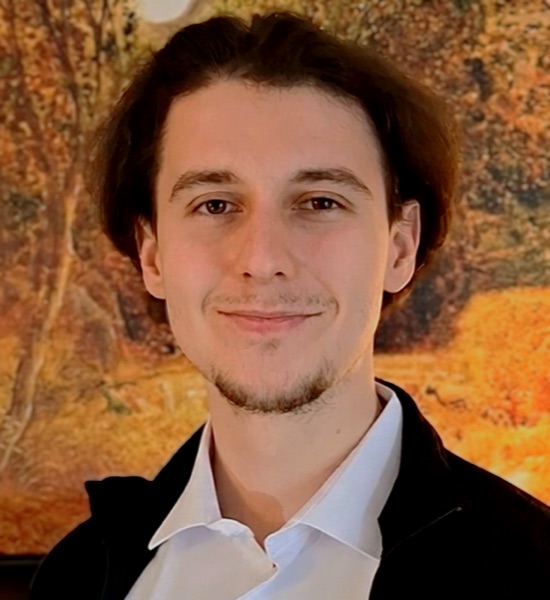
Stuhl – Samuel William Nehrer
Samuel ist ein Master-Student am Institute for Neuroinformatics, einem gemeinsamen Institut der ETH Zürich und der Universität Zürich. Er hat sein Bachelorstudium in Kognitionswissenschaft an der Aarhus University abgeschlossen, wo er Julia-Implementierungen von aktiven Inferenzmodellen für das kognitive Modellieren entwickelte.
In Arbeit
Die Gruppe erstellt ein umfassendes Repository von Ressourcen zu Active Inference – Einführungsmaterialien, Forschungsarbeiten und Tutorials, die alle zur einfachen Navigation kategorisiert sind. Sie plant außerdem gemeinsame Forschungskonferenzen mit anderen Forschungsgruppen, um den Austausch und die Zusammenarbeit zwischen den Gemeinschaften zu stärken.