Le groupe de Neurobiologie Théorique (NTB) a favorisé la recherche interdisciplinaire et la collaboration pendant des décennies. Sa mission est d'avancer dans la compréhension et l'application de l'inférence active — le cadre théorique développé par Professeur Karl Friston — grâce à des réunions en ligne régulières présentant des présentations et des discussions qui peuvent inclure des données et analyses empiriques, des simulations et un développement mathématique. Le groupe est ouvert aux contributions issues de la neurosciences, des mathématiques, de l'apprentissage automatique, de la psychologie, de la philosophie, de la médecine et de la biologie.
Objectif
Le groupe TNB favorise la recherche et la collaboration interdisciplinaires depuis des décennies. Sa mission est de faire avancer la compréhension et l'application de l'inférence active, le cadre théorique développé par le Professeur Karl Friston. Cela est réalisé grâce à des réunions en ligne régulières présentant des présentations et des discussions, qui peuvent inclure des données empiriques et leur analyse, des simulations et un développement mathématique.
Enregistrements
Les enregistrements des réunions précédentes, organisés par domaine de recherche, peuvent être trouvés sur la chaîne YouTube TNB. Le groupe ajoute progressivement plus de vidéos de son archivage ainsi que des sessions récemment enregistrées.
Détails de la réunion
Les réunions ont lieu le lundi et mardi à 14h30 heure britannique, d'une durée d'environ deux heures: une présentation d'environ 40 minutes, 40 minutes de questions-réponses et 40 minutes de discussion et de commentaires avec le Prof. Friston.
Comment participer
Les réunions sont ouvertes aux chercheurs, aux étudiants et aux professionnels du monde entier. Sans frais d’adhésion, le groupe offre un environnement détendu et sans pression pour l’engagement — que ce soit par une participation active ou en tant qu’observateur — et vous êtes le bienvenu pour rejoindre toute session qui vous intéresse.
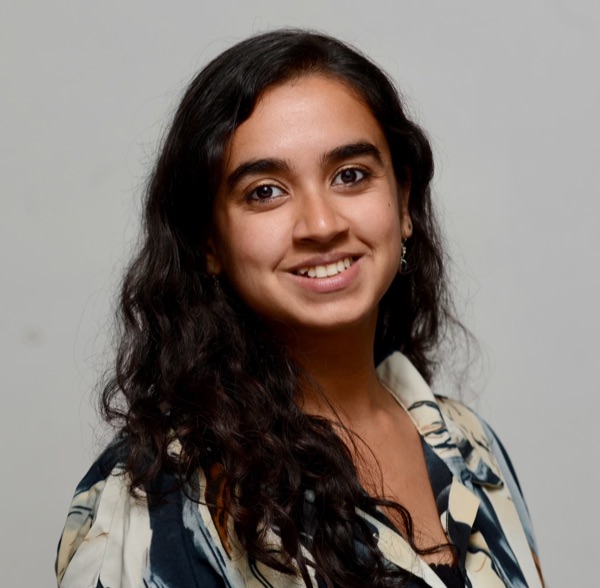
Présidente – Riddhi J. Pitliya, PhD
Riddhi mène des recherches sur l’inférence active, la cognition humaine et les systèmes multi-agents. Elle a obtenu son doctorat à l’Université d’Oxford, où elle a étudié comment les individus infèrent la structure causale et l’agence dans les environnements multi-agents, notamment dans le spectre de la dépression — constatant que les symptômes dépressifs sont liés à une sensibilité réduite aux relations causales inhibitrices, à une perception réduite de l’agence et à une tendance à effectuer des actions fréquentes mais moins orientées vers des objectifs lors de l’apprentissage des structures causales.
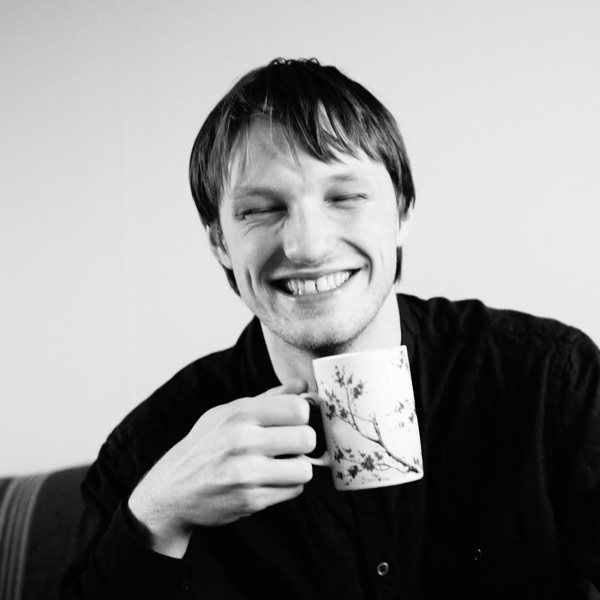
Chaise – Peter Thestrup Waade
La recherche de Peter porte sur la modélisation cognitive computationnelle des interactions sociales multi-échelle, en particulier du point de vue de l'inférence active et du traitement prédictif. Il a obtenu son doctorat avec Chris Mathys au Centre des esprits interactifs à l'Université d'Aarhus et commence un poste de chercheur postdoctoral à l'Unité de modélisation neuromodulaire translationnelle à l'ETH Zürich avec Klaas Stephan.

Chaise – Robert Chis-Ciure, PhD
Robert est un chercheur postdoctoral ERC financé par l'Action Contractuelle de Recherche Européenne auprès d'Anil Seth dans son laboratoire à l'Université de Sussex et au Sussex Centre for Consciousness Science. Ses recherches portent sur les notions formalisées d'émergence et la phénoménologie computationnelle, en utilisant des formalismes de codage prédictif hybride et d'inférence active pour modéliser les propriétés phénoménales de l'expérience et les valider expérimentalement — aboutissant à une nouvelle approche méthodologique, la Phénoménomique, pour caractériser les mondes intérieurs des observateurs humains et, éventuellement, de tous les autres observateurs, y compris en tirant parti de l'IA/ML sur de grands ensembles de données.
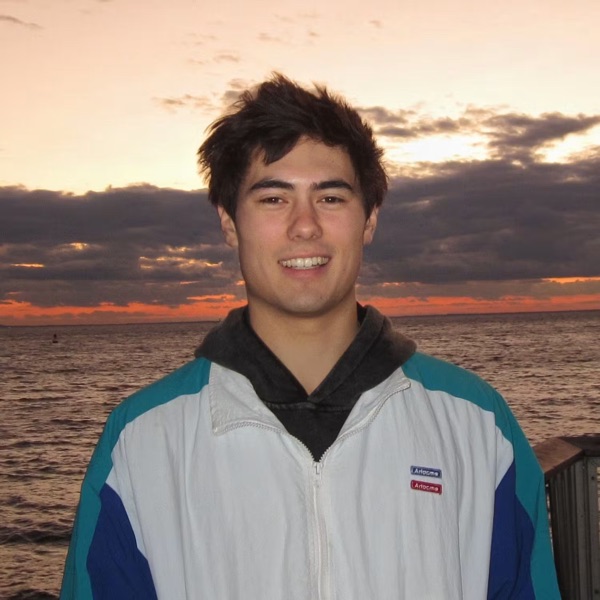
Fauteuil – Will Yun-Farmbrough
Will est un doctorant au Centre de Sussex pour la science de la conscience, supervisé par Anil Seth et Chris Buckley. Sa recherche étudie comment la phénoménologie perceptive chez les sujets humains peut contraindre et informer les modèles de codage prédictif des traitements cortico-visuels — les fondements algorithmiques de la façon dont notre monde nous apparaît.

Chaise – Jonathan Ehrenreich Laursen
Jonathan est un étudiant diplômé de troisième cycle en Systèmes Neuronaux et Computation à l'ETH Zürich et à l'Université de Zurich, où il travaille au développement de logiciels de modélisation cognitive en Julia. Il s'intéresse à l'utilisation d'outils computationnels pour comprendre les troubles psychiatriques et la manière dont ils pourraient être pertinents pour la pratique clinique.
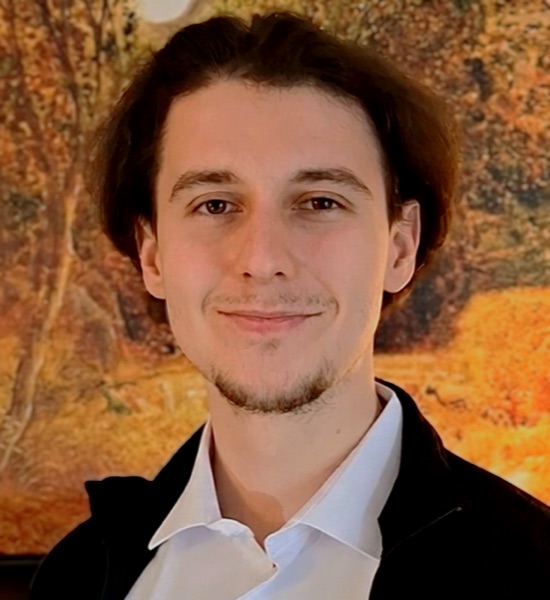
Chaise – Samuel William Nehrer
Samuel est un étudiant diplômé de master à l’Institut de Neuroinformations, un institut conjoint de l’ETH Zürich et de l’Université de Zurich. Il a complété ses études de premier cycle en sciences cognitives à l’Université d’Aarhus, où il a commencé à développer des implémentations Julia de modèles d’inférence active pour la modélisation cognitive.
En cours de réalisation
Le groupe compile un référentiel complet de ressources d'Active Inference – supports introductifs, articles de recherche et tutoriels, tous catégorisés pour une navigation facile. Il prévoit également des sympôses de recherche conjointes avec d’autres communautés de recherche afin de renforcer l’interaction et la collaboration intercommunautaires.