Il Gruppo di Neurobiologia Teorica (TNB) ha promosso ricerche interdisciplinari e collaborazioni per decenni. La sua missione è quella di far avanzare la comprensione e l'applicazione dell’inferenza attiva — il quadro teorico sviluppato dal Prof. Karl Friston — attraverso incontri online regolari che presentano e discutono argomenti che possono includere dati ed analisi empiriche, simulazioni e sviluppo matematico. Il gruppo accoglie contributi da neuroscienze, matematica, machine learning, psicologia, filosofia, medicina e biologia.
Obiettivo
Il Gruppo TNB ha promosso la ricerca interdisciplinare e la collaborazione per decenni. La sua missione è quella di approfondire la comprensione e l'applicazione dell'inferenza attiva, il quadro teorico sviluppato dal Prof. Karl Friston. Ciò si ottiene attraverso riunioni online regolari che includono presentazioni e discussioni, che possono comprendere dati empirici e la loro analisi, simulazioni e sviluppo matematico. Il gruppo accoglie contributi e prospettive da diversi campi, tra cui neuroscienze, matematica, machine learning, psicologia, filosofia, medicina e biologia.
Registrazioni
Registrazioni di riunioni passate, organizzate per area di ricerca, sono disponibili sul canale YouTube di TNB. Il gruppo sta gradualmente aggiungendo altri video dal suo archivio insieme a sessioni registrate di recente.
Dettagli Riunione
Le riunioni si tengono di lunedì e martedì alle 14:30 ora del Regno Unito, per circa due ore: una presentazione di circa 40 minuti, 40 minuti di domande e risposte e 40 minuti di discussione e feedback con il Prof. Friston.
Come Partecipare
Le riunioni sono aperte a ricercatori, studenti e professionisti di tutto il mondo. Senza costi di adesione, il gruppo offre un ambiente rilassato e senza pressioni per l'interazione — sia attraverso la partecipazione attiva sia come osservatore — e sei invitato a partecipare a qualsiasi sessione che ti interessi.
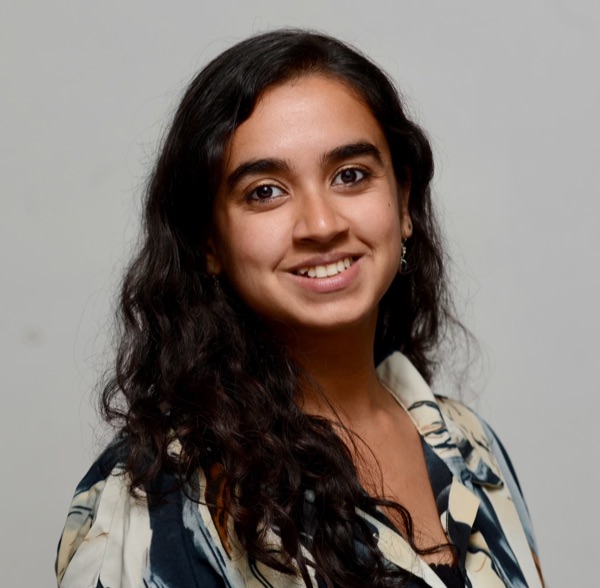
Seggiuolo – Riddhi J. Pitliya, PhD
La ricerca di Riddhi si concentra sull'inferenza attiva, sulla cognizione umana e sui sistemi multi-agente. Ha conseguito il dottorato di ricerca all'Università di Oxford, dove ha indagato su come gli individui inferiscono la struttura causale e l'agenzia in ambienti multi-agente, in particolare attraverso lo spettro della depressione — scoprendo che i sintomi depressivi sono collegati a una ridotta sensibilità alle relazioni causali inhibitrici, a percezioni ridotte dell'agenzia e a una tendenza a impegnarsi in azioni frequenti ma meno orientate agli obiettivi quando si impara sulla struttura causale.
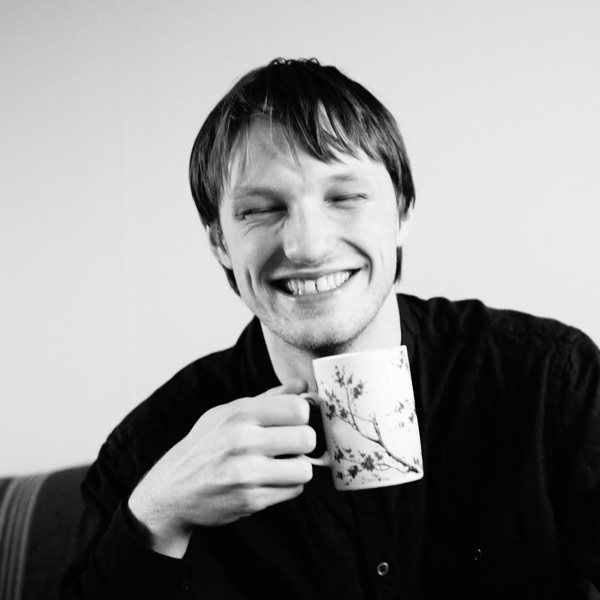
Seggiuolo – Peter Thestrup Waade
La ricerca di Peter si concentra sul modellaggio cognitivo computazionale delle interazioni sociali multi-scala, in particolare dalla prospettiva dell'inferenza attiva e della elaborazione predittiva. Ha conseguito il dottorato con Chris Mathys al Centro Interattivo Minds all'Università di Aarhus e sta iniziando un postdoc presso l'Unità di Neuromodellazione Traslazionale all'ETH di Zurigo con Klaas Stephan.
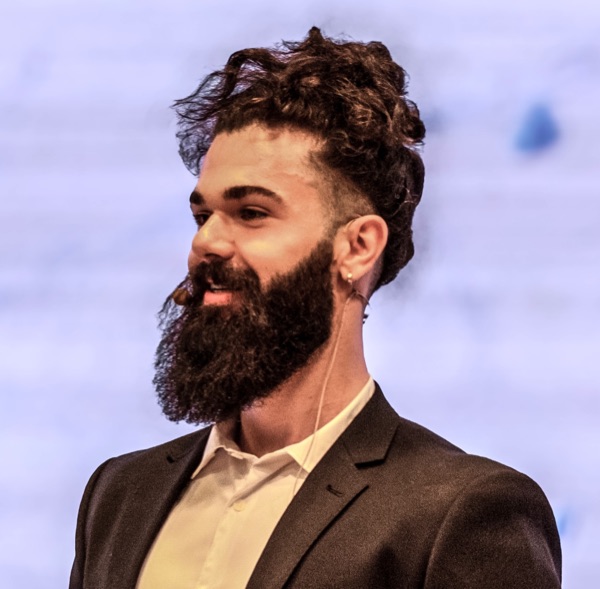
Seggiuolo – Robert Chis-Ciure, dott.
Robert è un borsista post-dottorale ERC presso l'Active Inference Institute, presso l'Università di Sussex e il Sussex Centre for Consciousness Science. La sua ricerca si concentra su nozioni formalizzate di emergenza e neurophenomenologia computazionale, utilizzando formalismi ibridi di predictive coding e active inference per modellare le proprietà fenomenali dell'esperienza e validarle sperimentalmente – puntando verso una nuova paradigma metodologico, Phenomenomics, per caratterizzare i mondi interiori di osservatori umani e, alla fine, di tutti gli altri osservatori, inclusi l'utilizzo dell'IA/ML su grandi set di dati. Prima di Sussex, è stato borsista Fulbright presso la NYU sotto la guida di David Chalmers, borsista Tatiana Foundation presso il laboratorio di Georg Northoff e ha lavorato nel laboratorio di Giulio Tononi sulla coscienza all'intersezione tra filosofia, neuroscienze e modellazione computazionale. È anche ricercatore affiliato presso il Wolfram Institute.
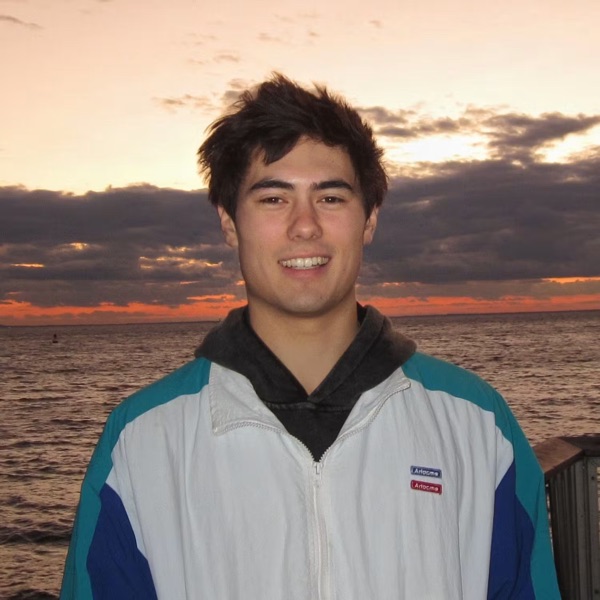
Sedia – Will Yun-Farmbrough
Will è un dottorando al Sussex Centre for Consciousness Science, sotto la supervisione di Anil Seth e Chris Buckley. La sua ricerca indaga su come la fenomenologia percettiva nei soggetti umani può limitare e informare i modelli di coding predittivo dei processi corticali – le basi algoritmiche per il modo in cui il nostro mondo ci appare.
Sedia – Jonathan Ehrenreich Laursen
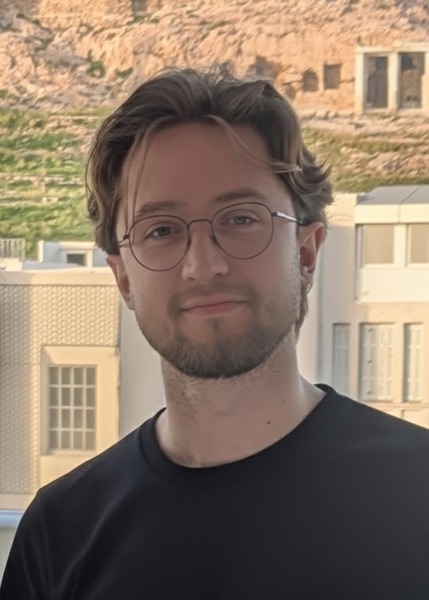
Jonathan è uno studente di Master in Sistemi Neurali e Calcolo all'ETH Zürich e all'Università di Zurigo, dove lavora allo sviluppo di software di modellazione cognitiva in Julia. È interessato a utilizzare strumenti computazionali per comprendere i disturbi psichiatrici e come potrebbero essere rilevanti per la pratica clinica.
Sedia – Samuel William Nehrer
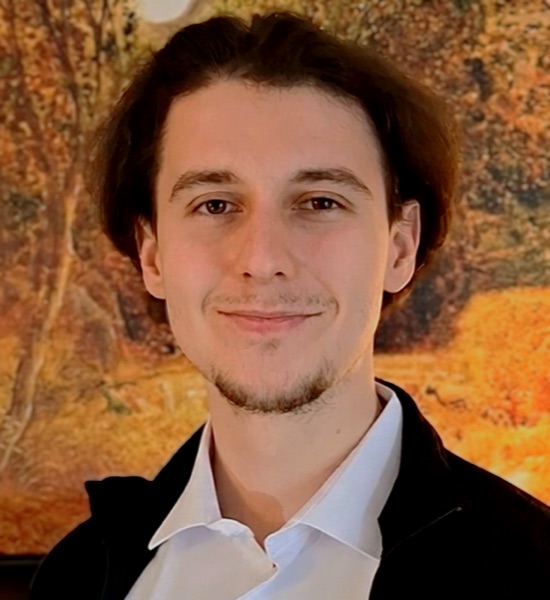
Samuel è uno studente di Master all'Institute of Neuroinformatics, un istituto congiunto di ETH Zürich e dell'Università di Zurigo. Ha completato i suoi studi triennali in Scienze Cognitive all'Università di Aarhus, dove ha iniziato a sviluppare implementazioni in Julia dei modelli di active inference per la modellazione cognitiva.
In fase di sviluppo
Il gruppo sta compilando un archivio completo di risorse di Active Inference – materiali introduttivi, articoli scientifici e tutorial, tutti classificati per una facile navigazione. Sta inoltre pianificando Simposi di Ricerca Congiunti con altre comunità di ricerca per rafforzare l'interazione e la collaborazione inter-comunità.